IMPLANT PLACEMENT AFTER TEETH REMOVAL
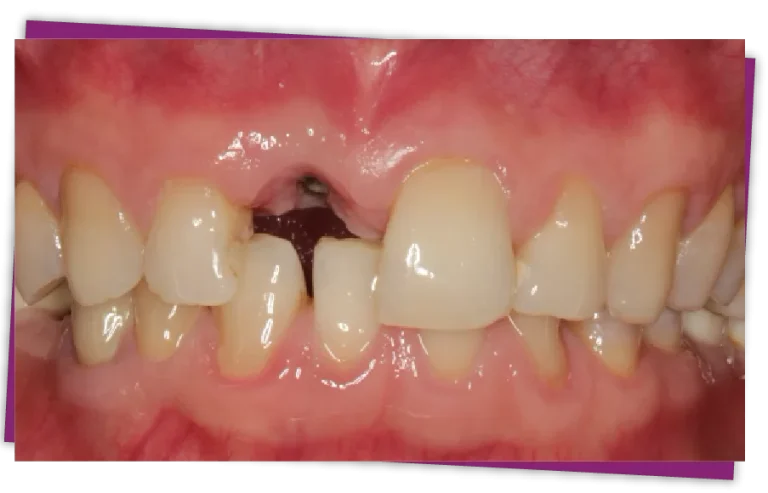
Dental implants are the most comprehensive solution today to have teeth that feel natural, andachieve up to 90% of the chewing function. Dental implants, tooth extraction and Implant placement are done in one operation, also known as Implant Placement After Teeth Removal. It is increasingly and widely applied to new teeth extraction technique.
IMPLANT PLACEMENT PROCESS
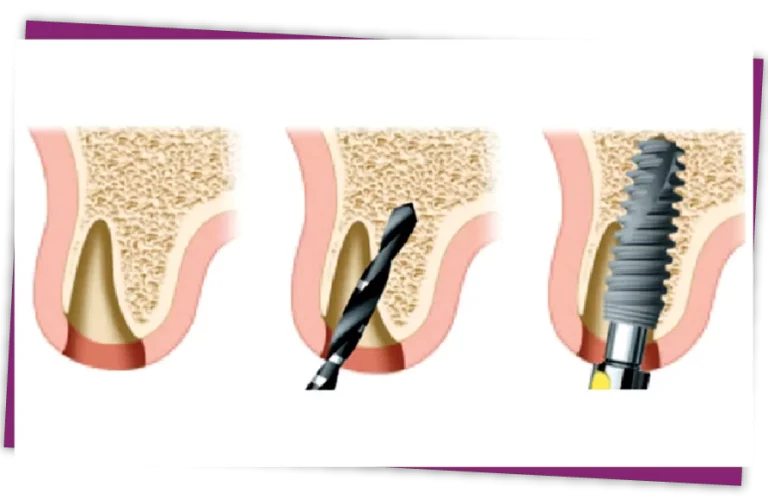
The surgeon exposes the root, using a non-traumatic extraction technique to gently remove the root without damaging the alveolar bone and gum tissue.
After taking the teeth out, the surgon will place the Implant and add bone graft if necessary.
During the implant placement surgery, the alveolar bone is in an ideal state to place the Implant. If the extraction is done not in accordance with the technical expertise, it will be easy to break the alveolar bone, and it will take time to regenerate before implantation. Therefore, it is necessary to extract teeth using non-traumatic techniques, to ensure that the alveolar bone and gum tissue are not damaged.





Dental implant placement in Huntington Beach
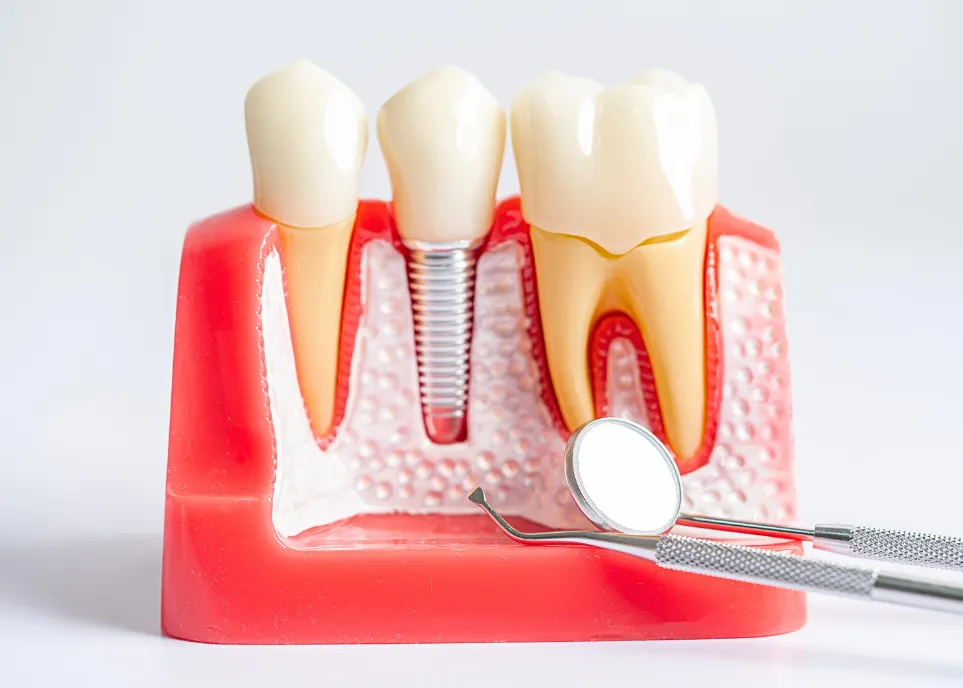
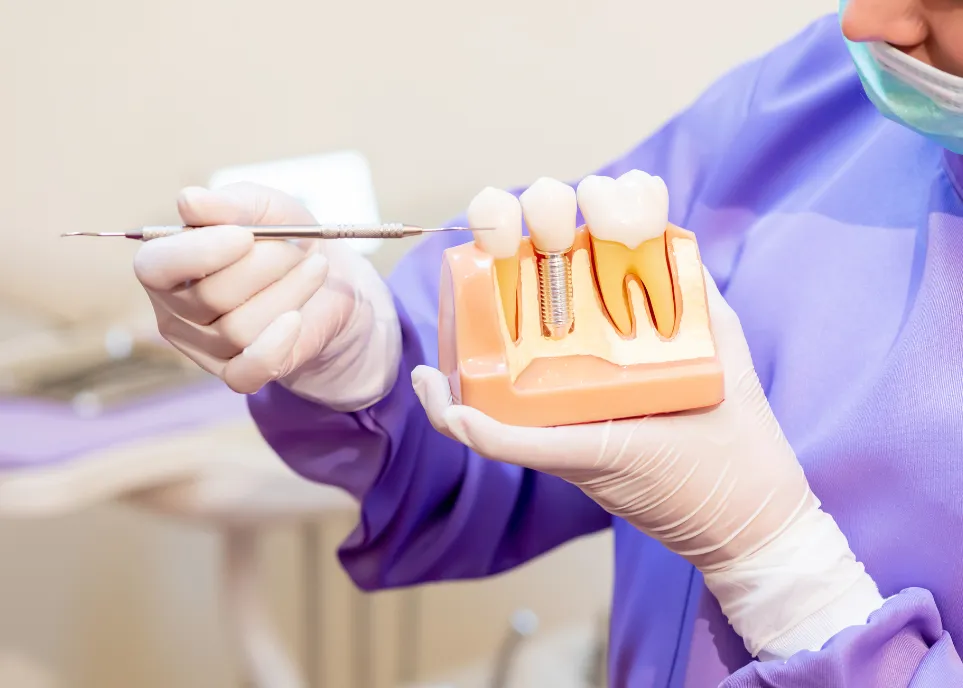
Dental implant placement is one of the most advanced and reliable treatments for replacing missing teeth. Implants act like artificial tooth roots, providing a strong, stable foundation for crowns, bridges, or full-arch restorations. Designed to look, feel, and function just like natural teeth, dental implants are the gold standard for long-term tooth replacement.
Whether you lost a tooth due to decay, trauma, or gum disease, implants restore both your smile and your confidence with exceptional strength, durability, and aesthetics.
Why Choose Dental Implants?
Dental implants offer key advantages over traditional tooth replacement options:
- Natural look and feel
- Strong, stable chewing function
- Long-lasting durability
- Protects jawbone from bone loss
- Does not damage surrounding teeth
- Supports facial structure and prevents sagging
- Easy to maintain like natural teeth
Implants are the closest replacement to a real tooth—both in appearance and performance.
Who Is a Candidate for Dental Implants?
- One or more missing teeth
- Healthy gums and jawbone
- Good overall oral health
- No uncontrolled medical conditions
- Commitment to proper hygiene
How Dental Implant Placement Works
- 1. Consultation & 3D Imaging
- Your dentist evaluates your mouth, takes digital X-rays or 3D scans, and creates a precise treatment plan.
- 2. Implant Placement
- Under local anesthesia—or sedation if needed—a small titanium implant is placed into the jawbone, where it will naturally fuse with the bone over time.
- 3. Healing & Osseointegration
- Over the next few months, the implant integrates with the jawbone, creating a strong and stable foundation.
- 4. Abutment Placement
- Once healed, an abutment (connector piece) is attached to the implant.
- 5. Final Crown or Restoration
- A custom crown, bridge, or full-arch prosthetic is placed on top—perfectly matched to your natural teeth.
Benefits of Dental Implant Placement
-
- Restores full chewing ability
- Prevents bone loss and maintains jaw health
- Long-term solution—often lasting a lifetime
- Looks and feels like a natural tooth
- Helps stabilize nearby teeth
- Improves speech, comfort, and confidence
- Ideal foundation for crowns, bridges, or All-on-4/All-on-X full-arch restorations
A Strong, Confident Smile Starts with Implants
Dental implant placement is one of the most transformative treatments in modern dentistry. It restores not only your smile—but also your quality of life, confidence, and long-term oral health. With proper care, implants can last decades or even a lifetime.