
Why is wisdom tooth extraction necessary?
Wisdom teeth, or third molars, are the last permanent teeth to appear (erupt) in the mouth. These teeth usually appear between the ages of 17 and 25. Some people never have wisdom teeth. For others, wisdom teeth erupt normally — just as their other molars did — and cause no problems.
Many people develop impacted wisdom teeth — teeth that don’t have enough room to erupt into the mouth or develop normally. Impacted wisdom teeth may erupt only partially or not at all.

Teeth Whitening
Your smile is one of the first things people notice — and a radiant, white smile can make a lasting impression. But over time, factors like coffee, tea, red wine, smoking, and even natural aging can dull your teeth’s brightness.
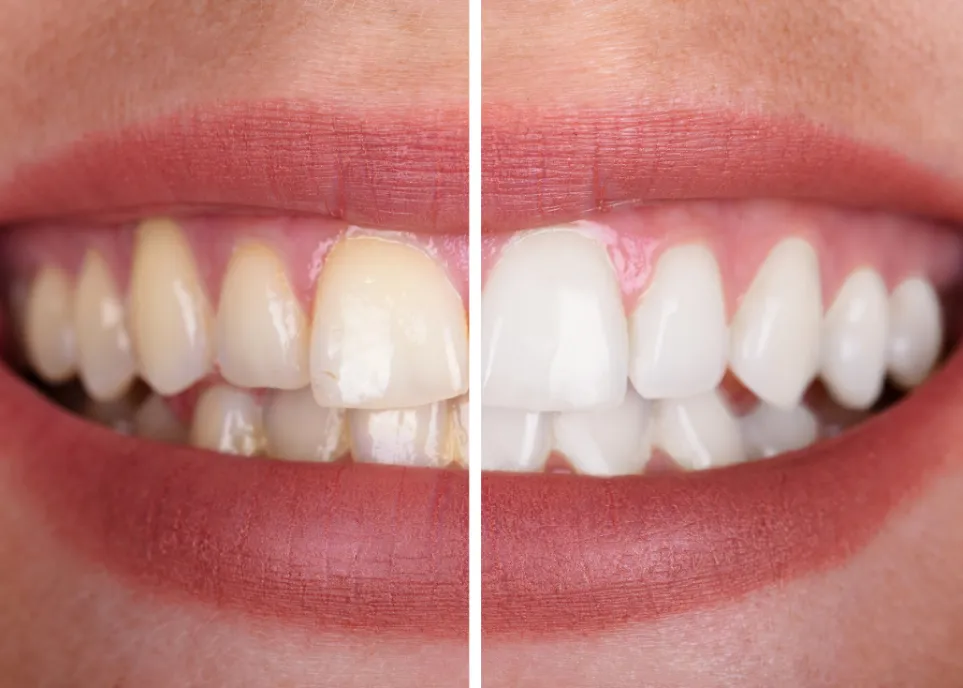
That’s where professional teeth whitening services come in. Unlike over-the-counter whitening strips or home remedies, in-office teeth whitening offers fast, safe, and highly effective results under the care of trained dental professionals.
Whether you want a subtle refresh or a dazzling Hollywood smile, professional whitening is the safest way to achieve long-lasting brilliance.
What Is Teeth Whitening?
Teeth whitening (or tooth bleaching) is a cosmetic dental procedure that lightens the natural color of your teeth by removing surface stains and deep discoloration. It uses medically approved whitening agents such as hydrogen peroxide or carbamide peroxide, which penetrate enamel to break down stains and reveal a brighter shade.
Depending on your needs, you can choose between in-office treatments (performed by a dentist) or at-home whitening kits prescribed by professionals.
Why People Choose Teeth Whitening
The earliest stage of gum disease can be difficult to identify because it’s not always easy to recognize the symptoms. Making sure you visit your dentist every six months for a teeth cleaning and checkup ensures that you regularly have eyes on your gums, that are trained to identify gum disease. The most common signs of gum disease include:
- Instant confidence boost - A noticeable puffiness in the gums can be one of the first signs of gum disease.
- Non-invasive treatment – no needles, no drilling, just whitening.
- Fast results – noticeable brightness in one session.
- Affordable cosmetic upgrade – compared to veneers or crowns, whitening is cost-effective.
- Safe and supervised – handled by dental experts to protect enamel and gums.
How Does Professional Teeth Whitening Work?
Professional whitening uses controlled bleaching technology that targets both surface and intrinsic stains. Here’s how it works step by step:
- Step 1: Consultation and Shade Assessment
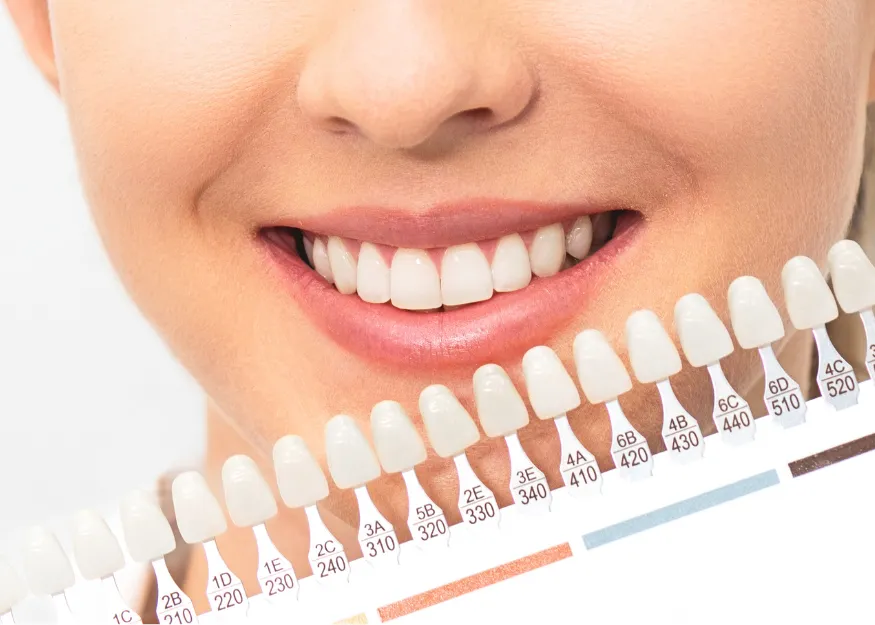
- Your dentist evaluates your current tooth color, oral health, and sensitivity level to choose the most suitable whitening method. A shade guide is used to determine your starting point and desired brightness.
- Step 2: Cleaning and Preparation
- Your teeth are polished to remove plaque and tartar. The dentist then protects your gums and lips with a special barrier or gel to prevent irritation.
- Step 3: Whitening Agent Application
- A professional-grade whitening gel containing peroxide is applied to the teeth. The gel’s concentration (15–40%) is much higher than what’s allowed in at-home kits, providing stronger results.
- Step 4: Light or Laser Activation (Optional)
- Some systems, like Zoom Whitening or Laser Whitening, use a special LED or laser light to accelerate the chemical reaction, breaking down stains more efficiently.
- Step 5: Rinse and Re-Evaluation
- After about 15–20 minutes per cycle (usually 1–3 cycles per session), the gel is removed, and your dentist compares your new shade to the original color — often up to 8 shades lighter.
How to Maintain Your Whitened Teeth
To extend your whitening results:
Avoid staining foods and drinks – coffee, tea, cola, red wine, soy sauce.
Quit smoking or vaping – tobacco is one of the biggest culprits.
Use a straw – reduces contact with beverages.
Brush twice daily with fluoride and whitening toothpaste.
Rinse after meals – water helps wash away pigments.
Get professional cleaning every 6 months.
Use take-home trays occasionally for maintenance.