
IMPLANT PLACEMENT AFTER TEETH REMOVAL
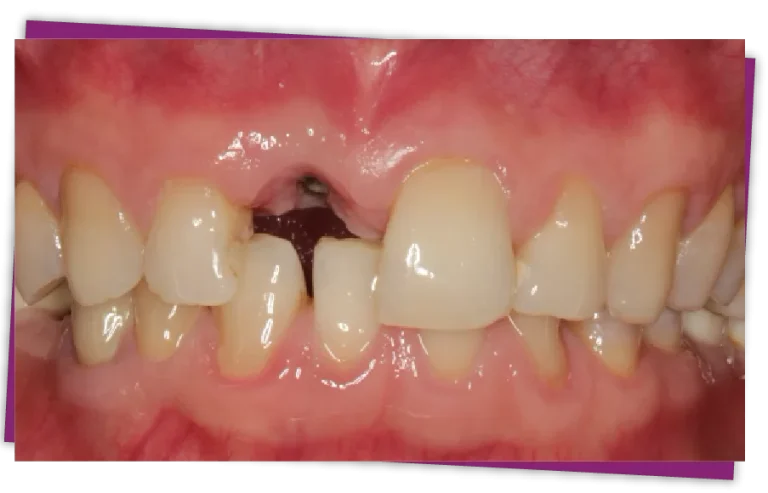
Dental implants are the most comprehensive solution today to have teeth that feel natural, andachieve up to 90% of the chewing function. Dental implants, tooth extraction and Implant placement are done in one operation, also known as Implant Placement After Teeth Removal. It is increasingly and widely applied to new teeth extraction technique.
IMPLANT PLACEMENT PROCESS
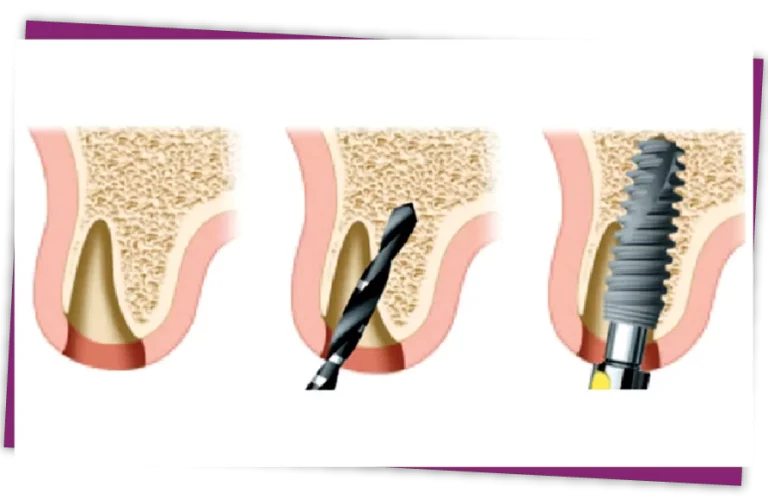
The surgeon exposes the root, using a non-traumatic extraction technique to gently remove the root without damaging the alveolar bone and gum tissue.
After taking the teeth out, the surgon will place the Implant and add bone graft if necessary.
During the implant placement surgery, the alveolar bone is in an ideal state to place the Implant. If the extraction is done not in accordance with the technical expertise, it will be easy to break the alveolar bone, and it will take time to regenerate before implantation. Therefore, it is necessary to extract teeth using non-traumatic techniques, to ensure that the alveolar bone and gum tissue are not damaged.





TMJ treatment
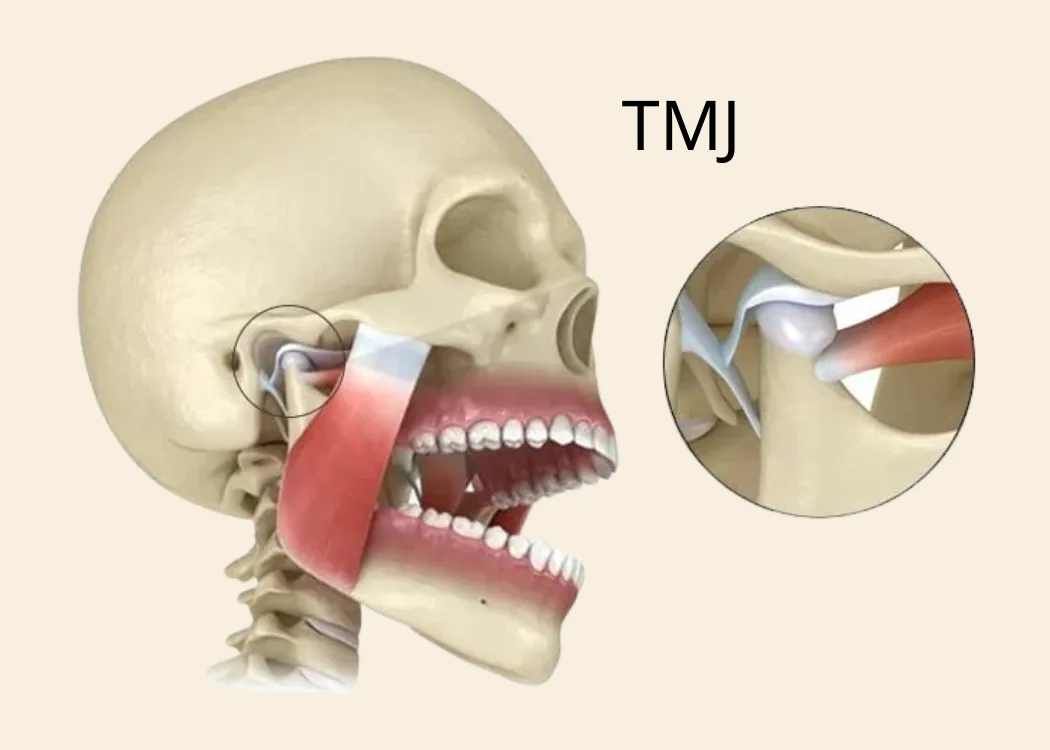
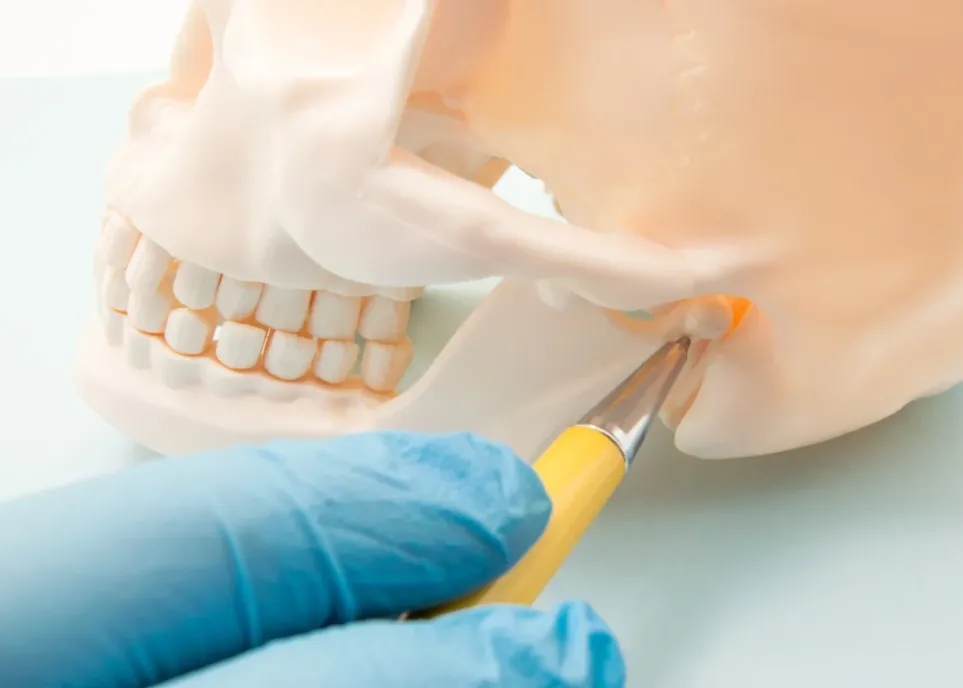
TMJ treatment focuses on relieving pain and correcting dysfunction in the temporomandibular joint—the joint that connects your jaw to your skull and allows you to speak, chew, and move your mouth comfortably. When this joint becomes strained, inflamed, or misaligned, it can lead to chronic discomfort and affect your daily life.
TMJ disorders (TMD) can cause a wide range of symptoms, from jaw clicking and headaches to difficulty opening the mouth or painful chewing. With the right diagnosis and a personalized treatment plan, patients can eliminate pain, restore normal jaw movement, and prevent long-term complications.
Common Signs of TMJ Disorder
You may benefit from TMJ treatment if you experience:
- Jaw pain or tension
- Clicking, popping, or grinding sounds
- Frequent headaches or migraines
- Facial pain or tenderness
- Difficulty opening or closing the mouth
- Earaches or ringing in the ears
- Stiffness in the neck or shoulders
- Bite changes or teeth not fitting together properly
- Worn-down teeth from grinding or clenching
TMJ problems often worsen over time without proper care.
What Causes TMJ Problems?
-
- Teeth grinding or clenching (bruxism)
- Misaligned teeth or bite
- Arthritis in the jaw joint
- Stress or muscle tension
- Trauma or injury to the jaw
- Chronic habits like nail-biting or gum chewing
TMJ Treatment Options
- Depending on your symptoms, your dentist may recommend one or more of the following:
- Custom Night Guards / Bite Splints
- These reduce grinding, relieve pressure on the joints, and relax the jaw muscles.
- Bite Adjustment or Orthodontic Treatment
- Aligns the teeth and bite to reduce strain on the jaw.
- Muscle Relaxation Therapy
- Helps alleviate tension in the jaw and facial muscles.
- Anti-inflammatory Medication
- Reduces swelling and discomfort in the joint.
- Stress Management Techniques
- Useful if clenching or grinding is caused by stress.
- Physical Therapy or Jaw Exercises
- Improves jaw mobility and strengthens supportive muscles.
- Botox for TMJ Relief
- Reduces muscle tension and provides long-lasting pain relief (when appropriate).
What to Expect During Your TMJ Evaluation
- Comprehensive Exam
- The dentist evaluates your jaw movement, bite, and symptoms.
- Digital X-rays or Imaging
- Helps identify inflammation, misalignment, or joint wear.
- Customized Treatment Plan
- A tailored plan addresses the root cause of your TMJ disorder.
- Follow-Up and Adjustments
- Progress is monitored, and treatment is adjusted to ensure long-term relief.
Benefits of TMJ Treatment
- Reduces or eliminates jaw pain
- Relieves headaches, earaches, and facial tension
- Restores comfortable chewing and jaw function
- Protects teeth from grinding damage
- Improves sleep and daily comfort
- Prevents long-term joint deterioration
TMJ treatment enhances not only oral health—but also quality of life.
Regain Comfort and Balance
TMJ disorders can be painful and disruptive, but with proper diagnosis and care, lasting relief is absolutely possible. TMJ treatment restores natural jaw function, reduces tension, and helps you feel like yourself again.