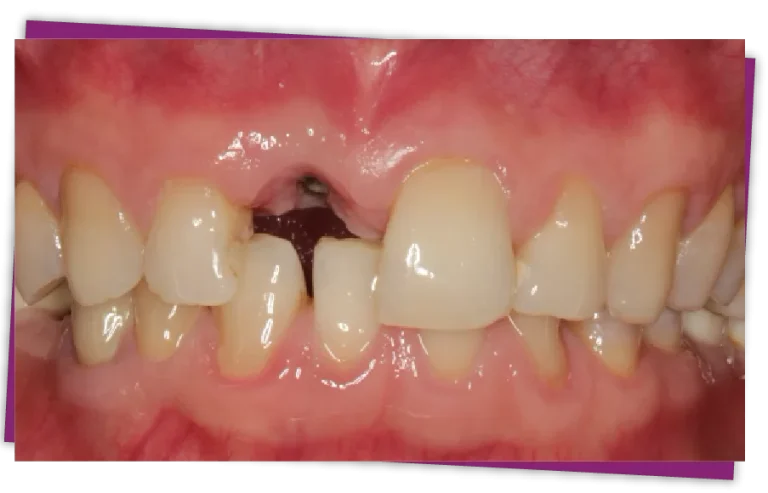
Dental implants are the most comprehensive solution today to have teeth that feel natural, andachieve up to 90% of the chewing function. Dental implants, tooth extraction and Implant placement are done in one operation, also known as Implant Placement After Teeth Removal. It is increasingly and widely applied to new teeth extraction technique.
IMPLANT PLACEMENT PROCESS
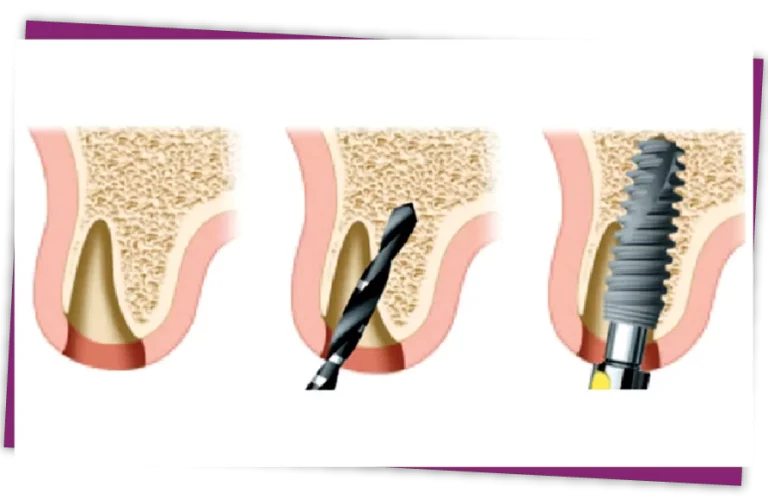
The surgeon exposes the root, using a non-traumatic extraction technique to gently remove the root without damaging the alveolar bone and gum tissue.
After taking the teeth out, the surgon will place the Implant and add bone graft if necessary.
During the implant placement surgery, the alveolar bone is in an ideal state to place the Implant. If the extraction is done not in accordance with the technical expertise, it will be easy to break the alveolar bone, and it will take time to regenerate before implantation. Therefore, it is necessary to extract teeth using non-traumatic techniques, to ensure that the alveolar bone and gum tissue are not damaged.
Periodontal maintenance is a specialized dental cleaning designed for patients who have been treated for gum disease. After procedures such as scaling and root planing, routine periodontal maintenance is essential to keep gums healthy, prevent reinfection, and protect the foundation that supports your teeth.
Unlike a standard dental cleaning, periodontal maintenance goes deeper beneath the gumline to remove bacteria, plaque, and tartar that can trigger inflammation. With consistent care, this treatment helps maintain healthy gums, prevents tooth loss, and supports your overall oral health.
What to Expect During a Periodontal Maintenance Visit
1. Gum Health Evaluation
Your dentist or hygienist checks pocket depths, gum inflammation, and overall periodontal stability.
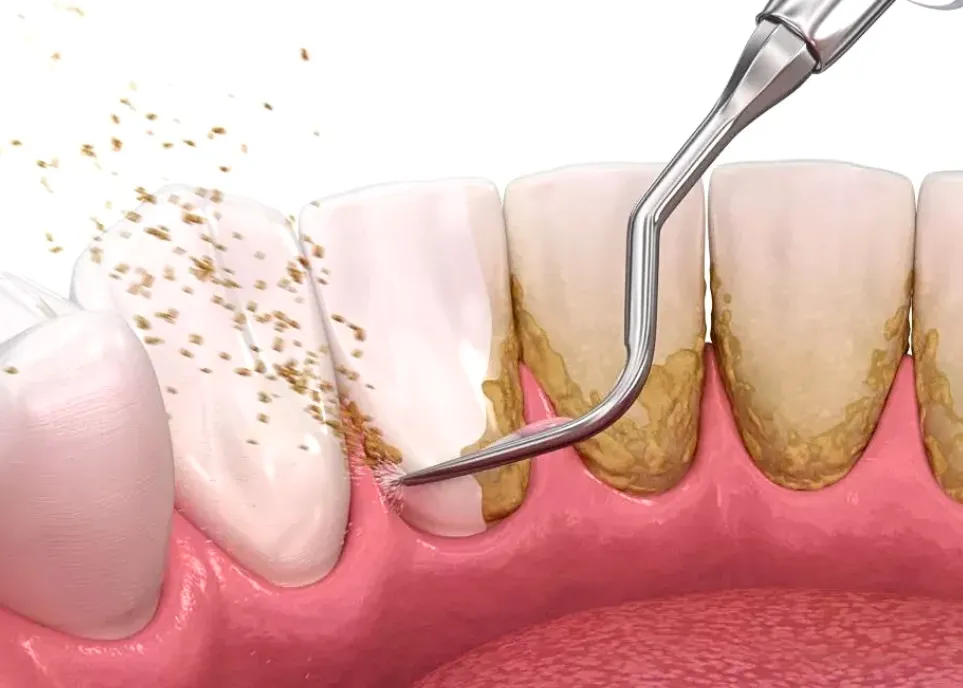
2. Removal of Plaque & Tartar Below the Gumline
Special instruments are used to clean areas that standard cleanings cannot reach.
3. Deep Cleaning & Bacterial Control
Areas affected by previous gum disease are thoroughly cleaned to prevent bacteria buildup.
4. Polishing & Surface Cleaning
Teeth are polished to remove stains and smooth surfaces, making bacteria less likely to stick.
5. Personalized Instructions
You’ll receive guidance on brushing, flossing, and home care to maintain gum health between visits.
Why Periodontal Maintenance Matters
Periodontal (gum) disease is a chronic condition, meaning it doesn’t simply disappear after treatment—it requires ongoing management to prevent it from returning. Even after scaling and root planing or other periodontal therapy, harmful bacteria can still regrow under the gums over time.
Regular periodontal maintenance visits help:
Control bacterial growth below the gumline
Prevent gum pockets from getting deeper
Protect bone and gum support around the teeth
Reduce inflammation, swelling, and bleeding
Lower the risk of loose teeth or tooth loss
Keep your breath fresher and your gums healthier
Maintain results from previous periodontal treatment
Support long-term oral health and comfort
Keeping your gums healthy is the key to maintaining a strong, stable smile for life.
A Healthy Smile Starts with Healthy Gums
Periodontal maintenance is the most important step after gum disease treatment. With regular visits and proper home care, you can protect your gums, your teeth, and your overall health for many years.