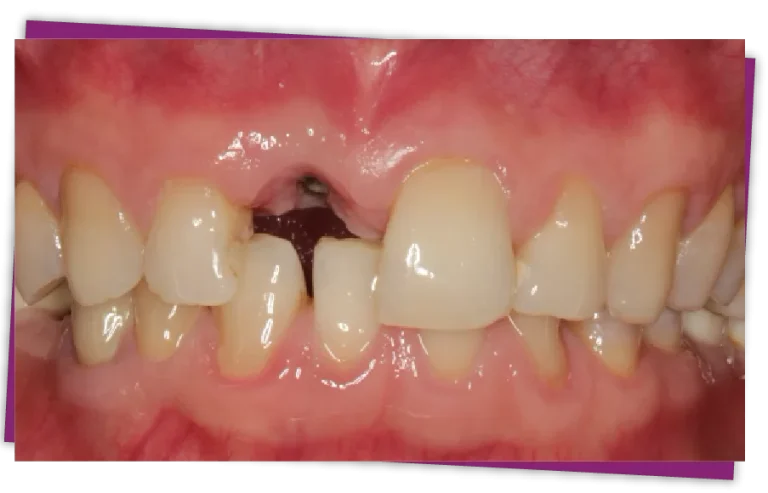
IMPLANT PLACEMENT AFTER TEETH REMOVAL
Dental implants are the most comprehensive solution today to have teeth that feel natural, andachieve up to 90% of the chewing function. Dental implants, tooth extraction and Implant placement are done in one operation, also known as Implant Placement After Teeth Removal. It is increasingly and widely applied to new teeth extraction technique.
IMPLANT PLACEMENT PROCESS
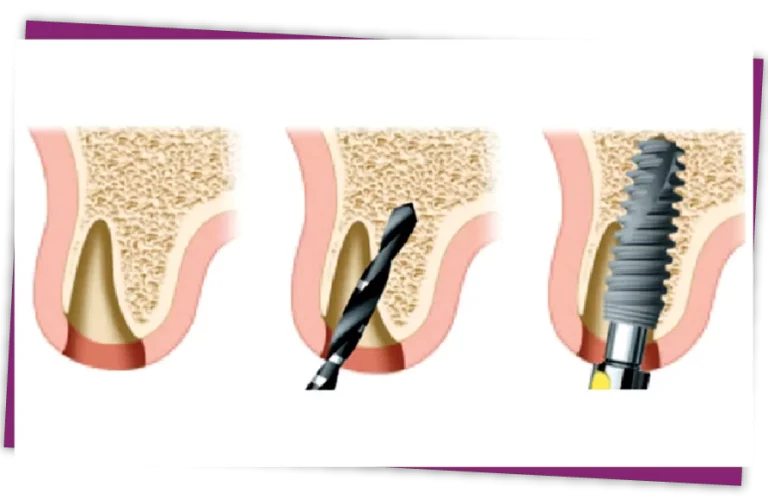
The surgeon exposes the root, using a non-traumatic extraction technique to gently remove the root without damaging the alveolar bone and gum tissue.
After taking the teeth out, the surgon will place the Implant and add bone graft if necessary.
During the implant placement surgery, the alveolar bone is in an ideal state to place the Implant. If the extraction is done not in accordance with the technical expertise, it will be easy to break the alveolar bone, and it will take time to regenerate before implantation. Therefore, it is necessary to extract teeth using non-traumatic techniques, to ensure that the alveolar bone and gum tissue are not damaged.





Fluoride & Sealants
Fluoride treatments and dental sealants are two of the most effective preventive services for protecting teeth from cavities, especially for children, teens, and adults who are more prone to decay. These treatments are quick, painless, and provide long-lasting protection—helping maintain strong, healthy smiles with minimal effort.
Fluoride strengthens tooth enamel from the outside, while sealants create a protective barrier on the chewing surfaces. Together, they significantly reduce the risk of cavities and help prevent long-term dental problems.
What Is Fluoride Treatment?
Benefits of Fluoride:
- Strengthens enamel
- Helps reverse early decay
- Reduces sensitivity
- Protects both kids and adults
- Fast and painless application
Fluoride is especially helpful for patients with a high risk of cavities or weakened enamel
Who Needs Fluoride & Sealants?
- These treatments are highly recommended for:
- Children developing new permanent teeth
- Teenagers more prone to cavities
- Adults with deep grooves or early signs of decay
- People with sensitive teeth
- Patients with high sugar consumption or acid exposure
- Individuals with a history of frequent cavities
- Preventive protection saves time, money, and future dental problems.

What Are Dental Sealants?
Sealants are thin, tooth-colored coatings applied to the deep grooves of back teeth—where most cavities start. These grooves can be hard to clean, especially for children.
Sealants work like a shield, blocking food particles and bacteria from getting trapped.
- Benefits of Sealants:
- Provides up to 80% cavity reduction
- Protects molars for years
- Quick, comfortable, and non-invasive
- Ideal for children and teenagers
- Also beneficial for adults with deep grooves
Sealants act as long-term defense against decay in hard-to-brush areas.
How Fluoride & Sealants Are Applied
1. Cleaning the Teeth
The dentist or hygienist gently cleans the tooth surface.
2. Fluoride Application
A gel, foam, or varnish is brushed or placed on the teeth and allowed to absorb for a few minutes.
3. Sealant Application
- The tooth is dried and prepped.
- A thin sealant material is painted onto the chewing surface.
- A special curing light is used to harden it instantly.
Both treatments are fast, painless, and require no drilling or anesthesia.
Protect Your Smile Before Problems Start
Fluoride and sealants are some of the easiest, most effective ways to prevent cavities and keep teeth strong for years. With quick application and long-lasting results, these treatments help maintain a healthy smile at every age.